
France Wipes EPR: Are Dry and Professional Wipes Also Covered?
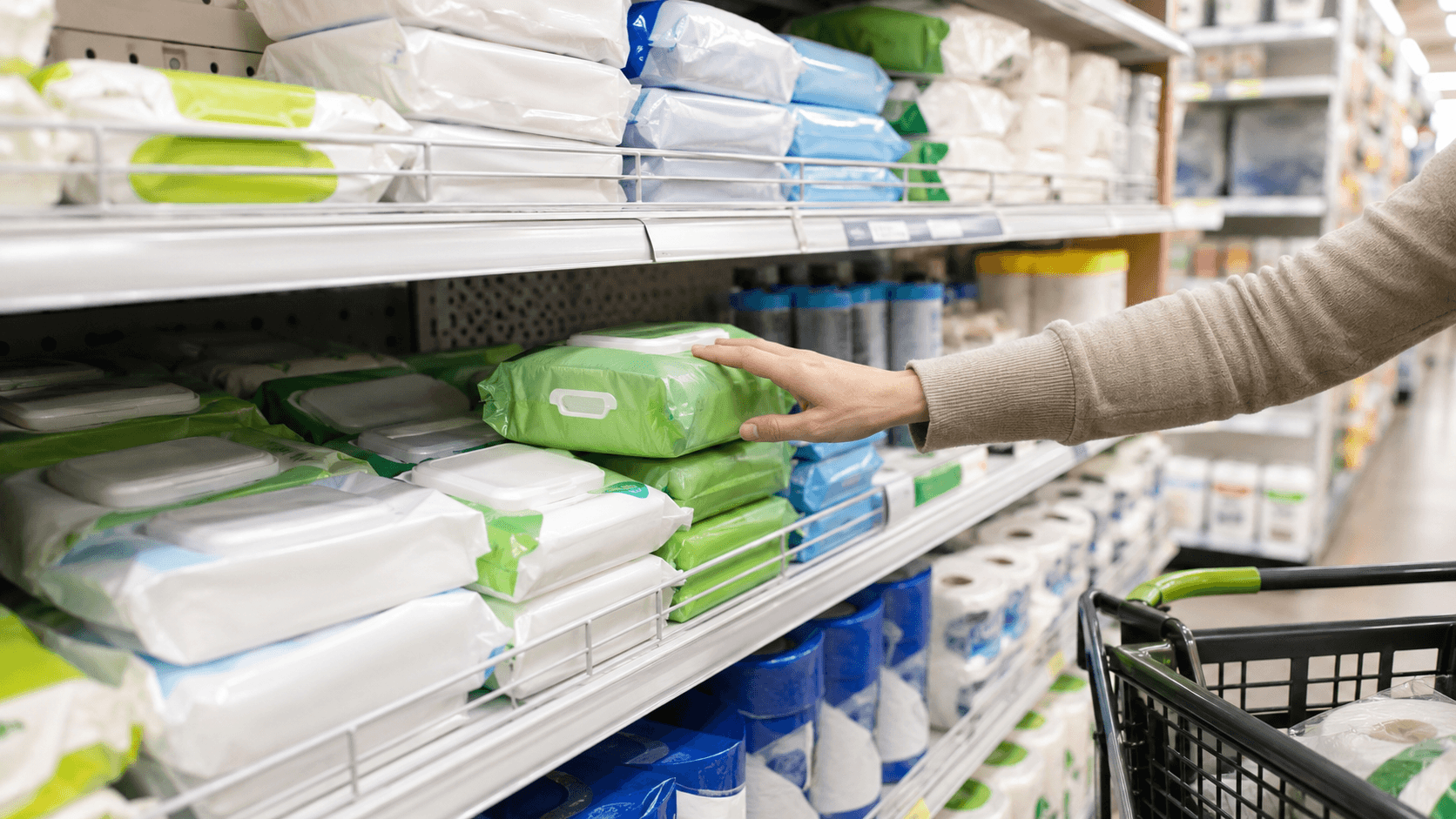
France has operated a dedicated Extended Producer Responsibility system for disposable wipes since 1 July 2025.
The system is often described as EPR for “single-use sanitary textiles”. This can create confusion in both directions. Some companies assume that all disposable hygiene products are already covered. Others believe the rules only apply to pre-moistened consumer wipes containing plastic.
Neither interpretation is correct.
The current operational system is limited to wipes, but its scope includes more than conventional wet wipes. Dry wipes, professional cleaning wipes and products made from natural fibres can also be covered.
What is considered a wipe?
French law defines a wipe as a small piece of material made entirely or partly from natural, artificial or synthetic fibres. It may be pre-moistened, but does not have to be.
The product must also not be designed, manufactured or marketed for hygienically safe reuse for the same purpose.
The assessment therefore depends primarily on the product’s design and intended use. It does not depend only on whether the product is wet, contains plastic or is sold to consumers.
A disposable dry dusting cloth may fall within the definition. A washable microfibre cloth designed for repeated cleaning generally does not.
Are dry wipes covered?
Yes.
The current reporting categories expressly include dry wipes for body care, laundry care and other uses.
Examples can include disposable dry facial wipes, dusting sheets and wipes intended to protect or care for laundry. A product does not fall outside the system merely because the user adds water or another liquid before use.
The relevant distinction is between a disposable wipe and a reusable textile product.
Products designed to withstand cleaning and repeated hygienic use for the same purpose are generally outside the definition. Products intended to be discarded after one use, or after a short use cycle that does not amount to genuine reuse, may remain covered.
Are professional and industrial wipes covered?
Yes.
The French system is not limited to wipes used in private households. It also covers pre-moistened wipes intended for professional or industrial use.
This may include disposable wipes used for professional cleaning, disinfection, maintenance or surface treatment.
A product does not become exempt simply because it is sold exclusively to hospitals, factories, workshops, offices or professional cleaning companies.
The user group may affect how the product is marketed and reported, but the definition covers direct sales to both households and non-household users.
Does the wipe need to contain plastic?
No.
The French definition covers materials made entirely or partly from:
- natural fibres;
- artificial fibres;
- synthetic fibres;
- mixtures of these materials.
A wipe made from cellulose, cotton or another natural fibre can therefore still be within scope.
This is broader than treating the system solely as an implementation of the EU Single-Use Plastics Directive. The European Directive requires producer responsibility for certain pre-moistened wipes containing plastic, but France has established a wider national product definition.
Companies should not rely on a “plastic-free” claim as evidence that a disposable wipe is outside French EPR.
Which wipe categories are recognised?
The reporting framework adopted in April 2026 distinguishes between several types of products.
These include pre-moistened wipes for body care, household cleaning and disinfection, professional or industrial wipes, wet toilet paper and other pre-moistened wipes. Separate categories apply to dry wipes for laundry care, body care and other uses.
The reporting framework also refers to certain masks used for facial care, hygiene or protection, whether pre-moistened or dry.
This does not mean that every product described commercially as a mask or textile sheet is automatically covered. The product must still fall within the legal category and should be assessed based on its composition, intended use and disposability.
Are all single-use sanitary textiles already covered?
No.
The wider legal framework identifies five potential categories of single-use sanitary textiles:
- wipes;
- personal protective equipment, linen and clothing;
- certain paper hygiene products;
- absorbent hygiene and intimate-care products;
- products used for medical care, including certain medical devices.
Only the first category – wipes – is currently part of the operational EPR system.
Disposable nappies, sanitary products, protective garments and other sanitary textiles should therefore not automatically be declared under the wipes system solely because they appear in the wider legal framework.
Their possible future inclusion would require further implementation measures.
Who is considered the producer?
The producer can be a company established in France that manufactures, sells or imports covered wipes and places them on the French market.
Foreign companies can also become producers when they sell wipes directly to French households or professional users through distance contracts.
The responsible company may therefore be:
- a French manufacturer;
- an importer;
- a foreign online seller;
- a business selling products under its own brand.
Where wipes are sold exclusively under a retailer’s brand, the retailer is treated as the party placing them on the market.
The physical manufacturer and the EPR producer are not necessarily the same legal entity.
What must producers report?
The reporting requirements introduced in 2026 require quantities to be differentiated by product category and material.
Producers must be able to report both the number of units and the corresponding weight in tonnes. The data must also identify the producer’s role and indicate the presence of additives or hazardous substances.
This means that a single total for all wipes will not provide the required level of detail.
A company selling wet household-cleaning wipes, dry body-care wipes and professional disinfectant wipes will need to classify those products separately. Material information must also distinguish between natural, artificial and synthetic fibres and relevant mixtures.
Reliable unit and weight data are therefore central to compliance.
Which compliance system is available?
Citeo Soin & Hygiène is currently the only approved collective producer responsibility organisation for the wipes category.
Its current approval runs from 1 July 2025 to 31 December 2030.
Producers can transfer their EPR obligations to the approved organisation or establish an authorised individual system. In practice, most businesses are expected to use the collective route.
The contributions finance more than the treatment of collected waste. The system also supports public information, reusable alternatives and the costs incurred by municipalities when wipes are discarded in public spaces or incorrectly flushed into wastewater systems.
Is packaging EPR still required separately?
Yes.
The wipes and their packaging belong to separate EPR streams.
A producer placing packaged wipes on the French market may need to comply with:
- wipes EPR for the product itself; and
- packaging EPR for the box, pouch, film, lid or other packaging components.
Joining Citeo Soin & Hygiène does not replace the company’s packaging registration, declarations or eco-contributions.
The responsible legal entity may be the same for both streams, but the products, reporting data and fees must be handled separately.
What should companies verify?
Businesses selling disposable wipes in France should establish whether the product is designed for reuse, whether it is dry or pre-moistened, and whether it is intended for household, professional or industrial use.
They should also confirm the fibre composition, the responsible legal entity and whether the product is sold under the company’s own brand or a retailer’s private label.
The main scope question is not whether the product resembles a conventional consumer wet wipe.
It is whether it meets the French definition of a disposable wipe.
How Viron can support
Viron helps manufacturers, importers and online sellers determine whether their products fall within the French wipes EPR system.
We can also manage scheme membership, producer registration, declarations and the separate packaging EPR obligations connected with the products.